
5 Years From Being a Killer’s Accomplice to Breaking Free
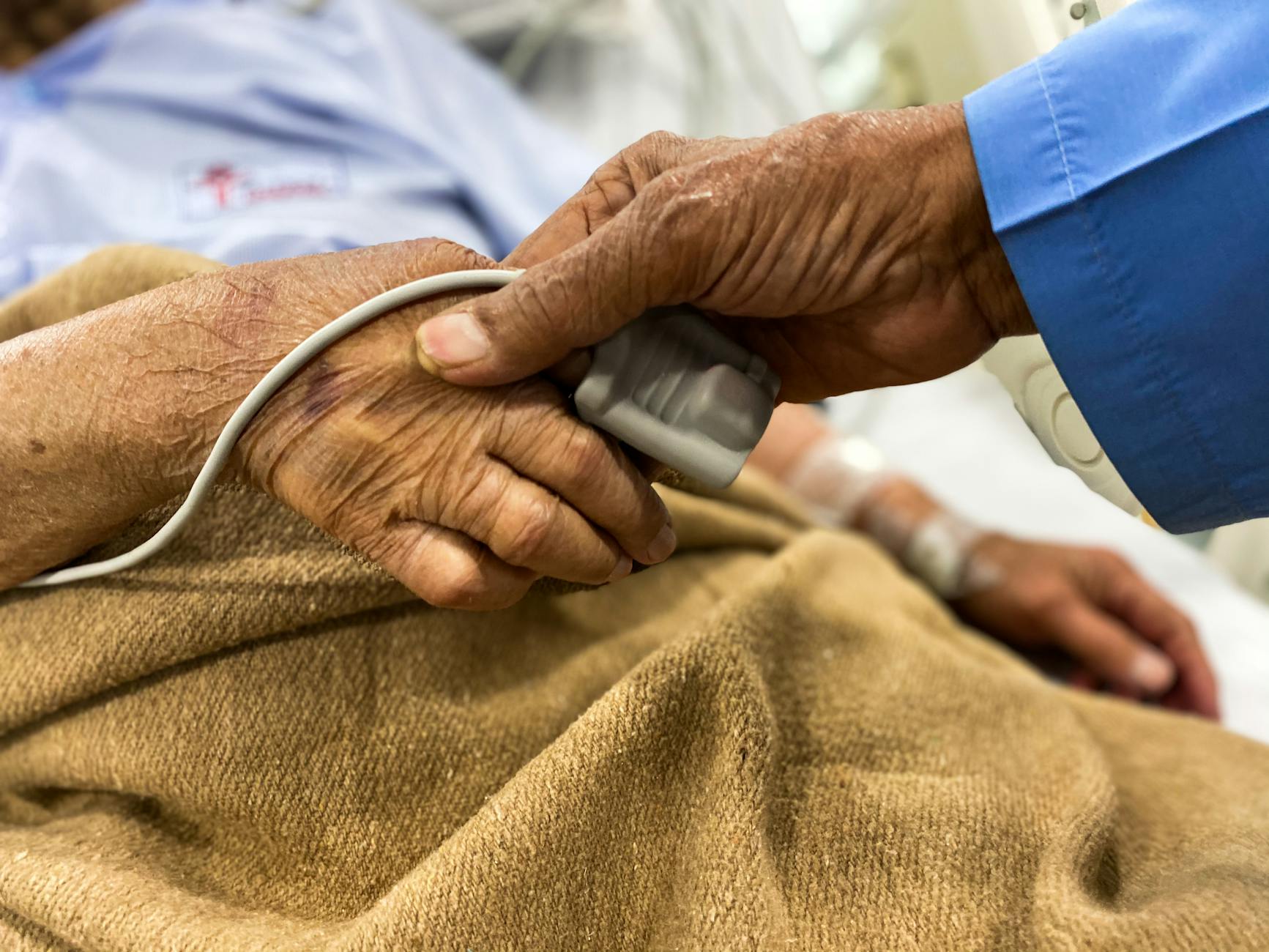
The night her mother passed away, Zhen couldn’t sleep at all. Though she had prepared herself for this farewell, she had always hoped this day would come a little later. At dawn, she stood at the hospital room’s doorway. She watched from a distance as the nurse removed the tubes and turned off the machines. The nurse walked past her with a tray. A heavy, indescribable weight settled over her. It felt as though she was frozen in place. She couldn’t move. The caregiver’s calls seemed like muffled whispers. The sounds of her family rushing to her mother’s bedside were subdued by thick glass. Zhen, rooted in the door frame, can’t take a single step ahead.
Pancreatic cancer, was the silent killer, had invaded her mother’s body without warning. To spare her mother from despair, the family decided to keep the truth from her. But when Zhen returned from US, she insisted on telling her mother the reality of her condition. Cause Zhen believe truth telling is the only way ahead. But that decision became her last conflict with the family. From the moment her mother learned the truth, their world collapsed just as the family had feared. Her mother’s health deteriorated rapidly, and her pain became unbearable. Zhen vividly remembers those final days. The family kept vigil outside the hospital room. They listened helplessly to her mother’s faint groans through the door.

The family’s resentment over Zhen’s decision to tell the truth only deepened her silence. In their eyes, she had become an accomplice to the silent killer. At her mother’s memorial, the family wept uncontrollably, while Zhen’s tearless expression puzzled everyone. “Your mother spent most of her life’s savings to send you to the U.S., and now she’s gone. How can you not shed a single tear?”
“I never got the chance to tell her. I wished she could’ve been there for me,” Zhen finally admitted during our second coaching session. “My grandmother once told me that when my mom was pregnant with me, my dad died in a car accident. She worked tirelessly to support me but handed me over to my grandmother to raise. After remarrying and having my younger brother, she rarely visited me. When my grandmother passed, I was sent to live with relatives in the U.S.” Zhen shared that her encounters with her mother had been few and far between. Her mother was primarily concerned with her grades. Meanwhile, Zhen knew little about her mother’s life.
Five years had passed since Zhen brought part of her mother’s ashes back to the U.S. During all that time, she hadn’t spoken of the experience to anyone. In our fourth session, Zhen once again held her mother’s urn, and that same heavy, indescribable weight resurfaced.
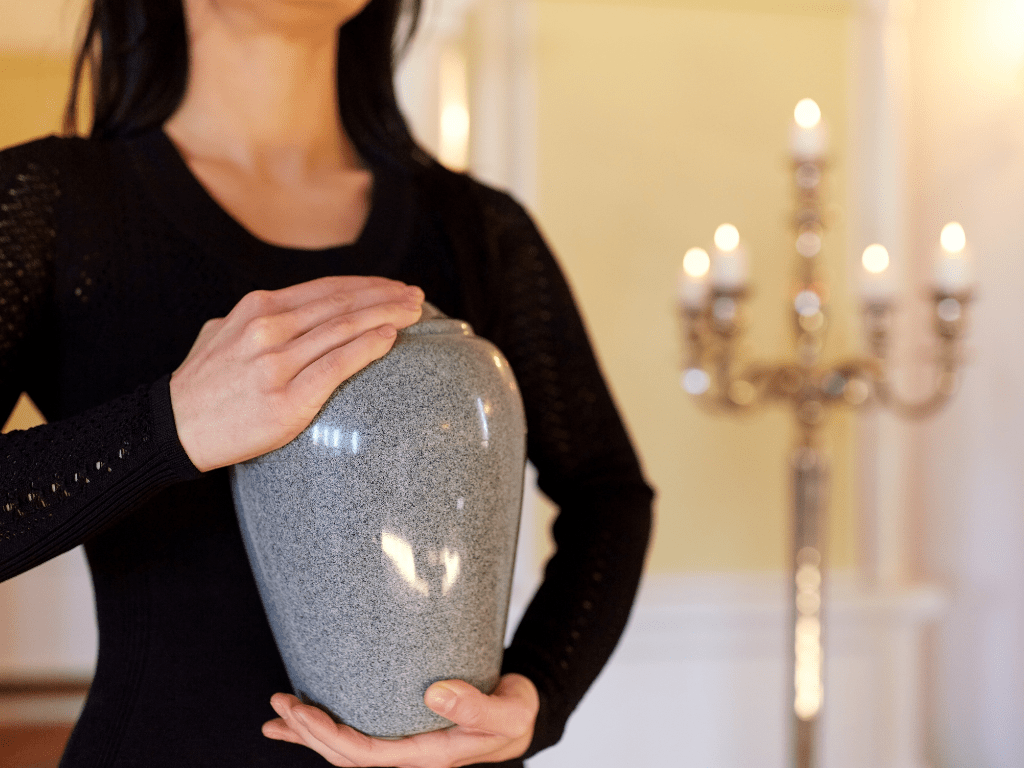
Each time she recalled her mother’s death, she felt a silent pressure cooker building up inside her. It made it hard to breathe. Zhen held the urn close to her chest. Years of suppressed resentment, sorrow, and regret finally broke through like a flood.
In our sessions, Zhen and I worked through three key stages, I wish we can all be reminded from time to time loss appears:
- Releasing Blame: Zhen carried a heavy burden of blame. At different stages of her life, she directed this blame both toward her mother and herself. In truth, she knows there are no victims, only individuals who made choices based on their circumstances at the time. Life unfolds within a complex web of relationships, where every cause and effect reflects our awareness in that moment. Letting go of self-blame allows Zhen to see these events as part of her journey to unfold life.
- Emerging from Isolation: When we haven’t fully accepted reality, we often find ourselves in self-imposed isolation. The duration of this isolation depends on our level of self-confidence. If we trust in our resilience and hope for healing, we must resist the urge to “draw the curtains.” We should not lock away our hearts and give the key to our inner demons.
- Practicing Present-Moment Focus: The inertia of isolating behaviors can persist during grief. A vital step is cultivating new, healthy habits during this period. From small mental cues to meaningful rituals, these practices help rebuild a sense of stability and connection.

Zhen embraced these methods and opened a new door to her future. Within a month, our conversations shifted to include warm memories of her grandmother. Her longing for those she had lost led her to revisit childhood photos and cherished keepsakes. Tears gave way to more frequent smiles.
After the last snowfall of winter, Zhen planted her mother’s ashes along with lavender seeds in a sunny corner of her home. She watched each tiny sprout grow, witnessing the cycle of life. This summer, Zhen shared a photo of her lavender with me, along with this message:
She wrote: “It smells like my mum.”
 connect shan
留下评论